
Android-native. Every age. One roof.
Discovery, UX design, engineering, QA, and post-launch support — scoped from the start around who actually uses the app and under what conditions.
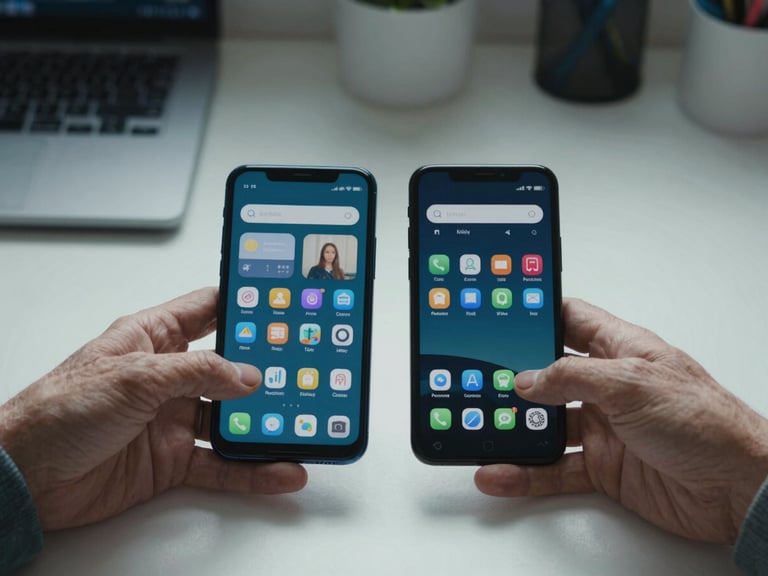
Scope defined before a line of code
Full-Cycle Android Delivery
User-Context Audit
Real-Device QA
Discovery through launch: requirements, architecture, UX design, native Kotlin engineering, QA, and Play Store submission handled under one engagement.
Every engagement opens with a structured audit: who uses the app, at what age, in what physical conditions, and what constraints shape the interface from day one.
Testing runs on physical hardware in varied lighting, including sunlight and dim interiors, because emulators do not account for reading glasses or one-handed use.
Constraint-first, not accessibility-last
We design for the most constrained user in your audience first — older adults, young children, or low-vision users — then build outward. The result is durable, usable software for everyone.
Post-launch support is scoped at the start, not sold as an add-on. Ongoing maintenance, OS updates, and performance monitoring are part of the delivery.
Know your users. Ship code that respects them.
Bring your project brief. We will tell you what the user-context audit surfaces and what that means for scope.